
We develop partnerships with leading companies and organizations from around the globe to complement our expertise and deliver breakthrough results. We have long-lasting partnerships and affiliations with like-minded organizations and leaders share our commitment to deliver lasting results.
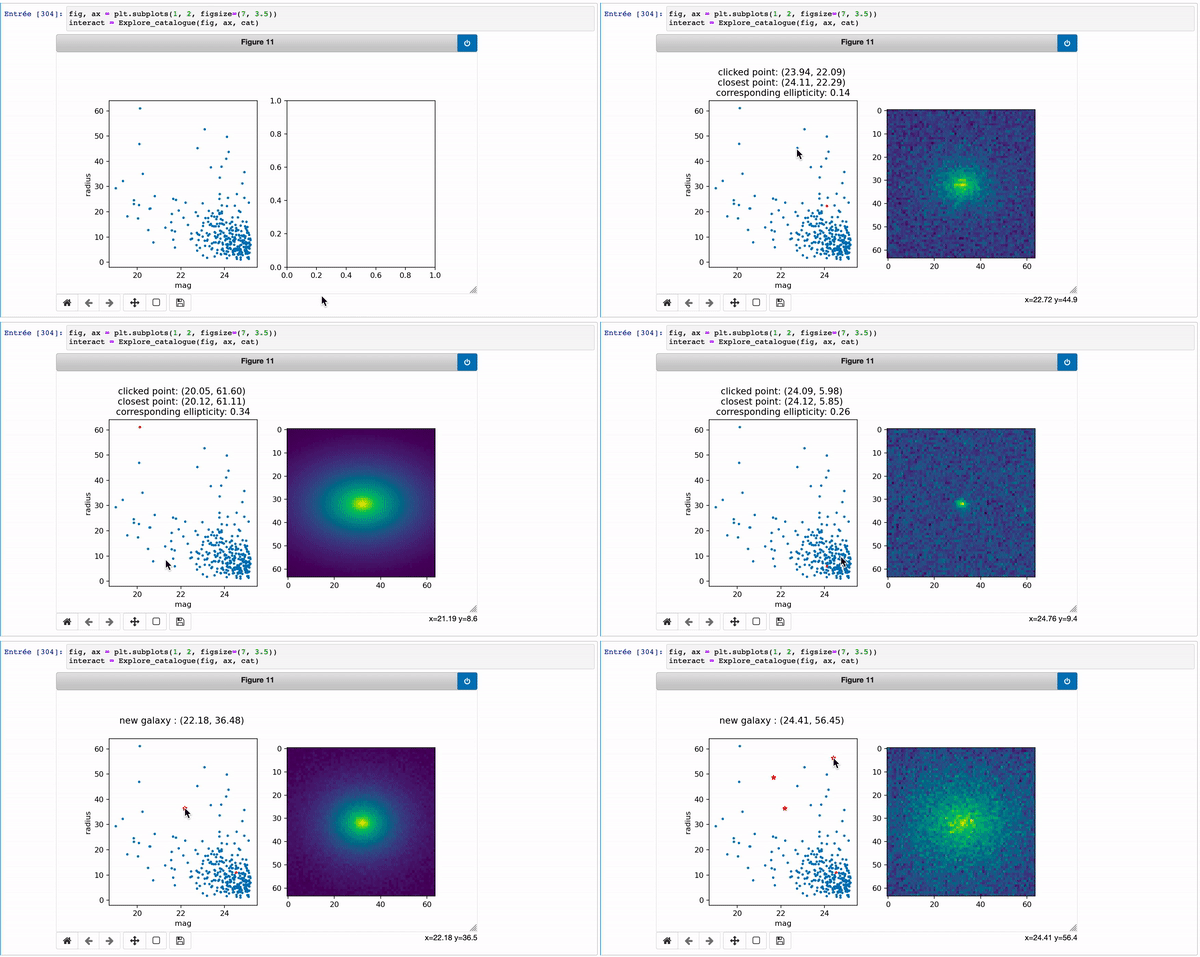
In this tutorial, I teach you how to link your mouse clicks to different events, using the matplotlib event handler. In the left we have a distribution of galaxies comming from a Hubble Space Telescope catalogue. On the x-axis, we have the magnitude (i.e the brightness) of each galaxy, and on the y-axis, its corresponding radius. Every time you click the point, a simulation of this galaxy will be created and showed on the right. You can also click on a new point in the parameter space and it will create a new galaxy with the corresponding parameters.
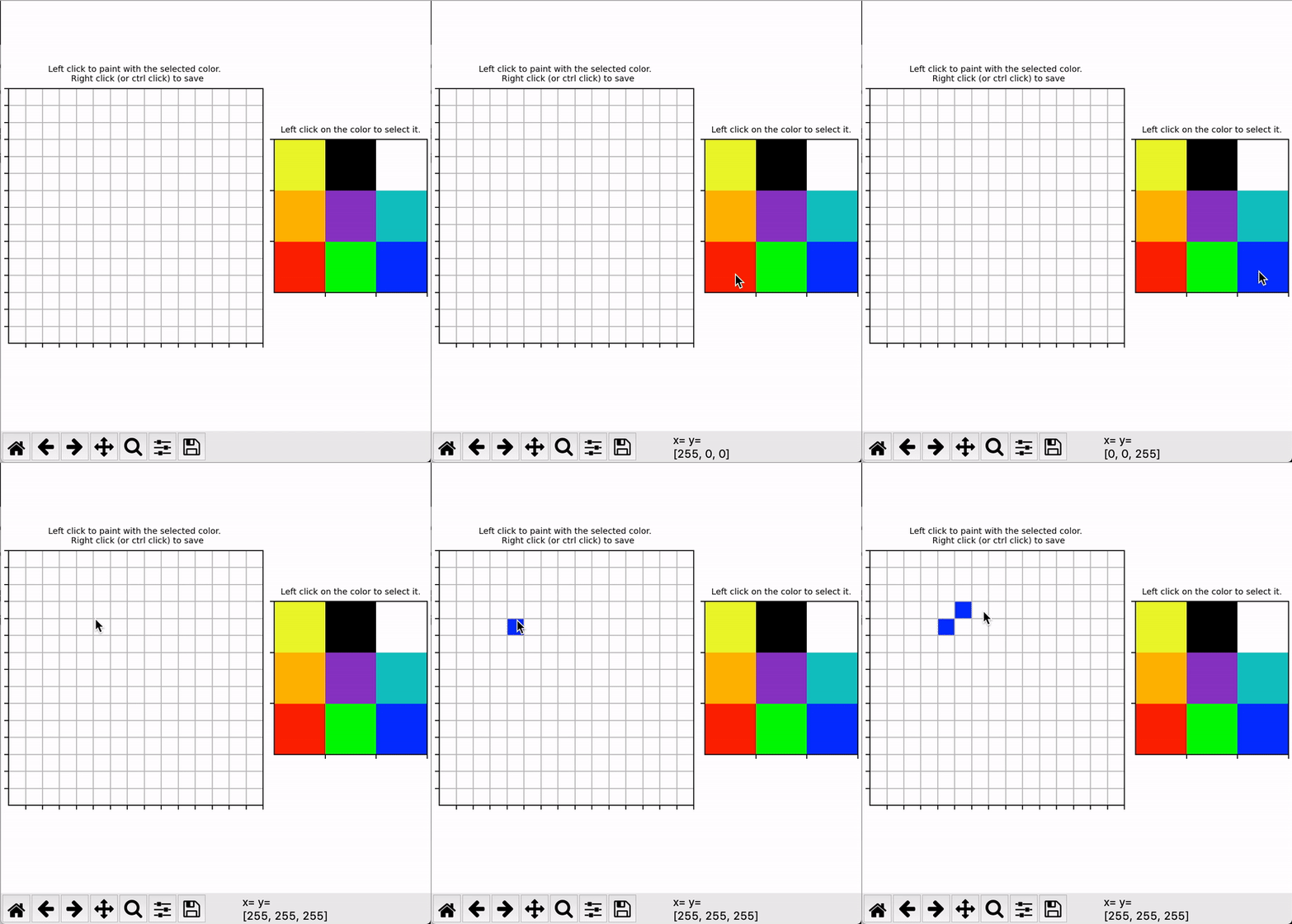
In another script, I teach you how to create a paint-like pixel art application with the matplotlib event handler!
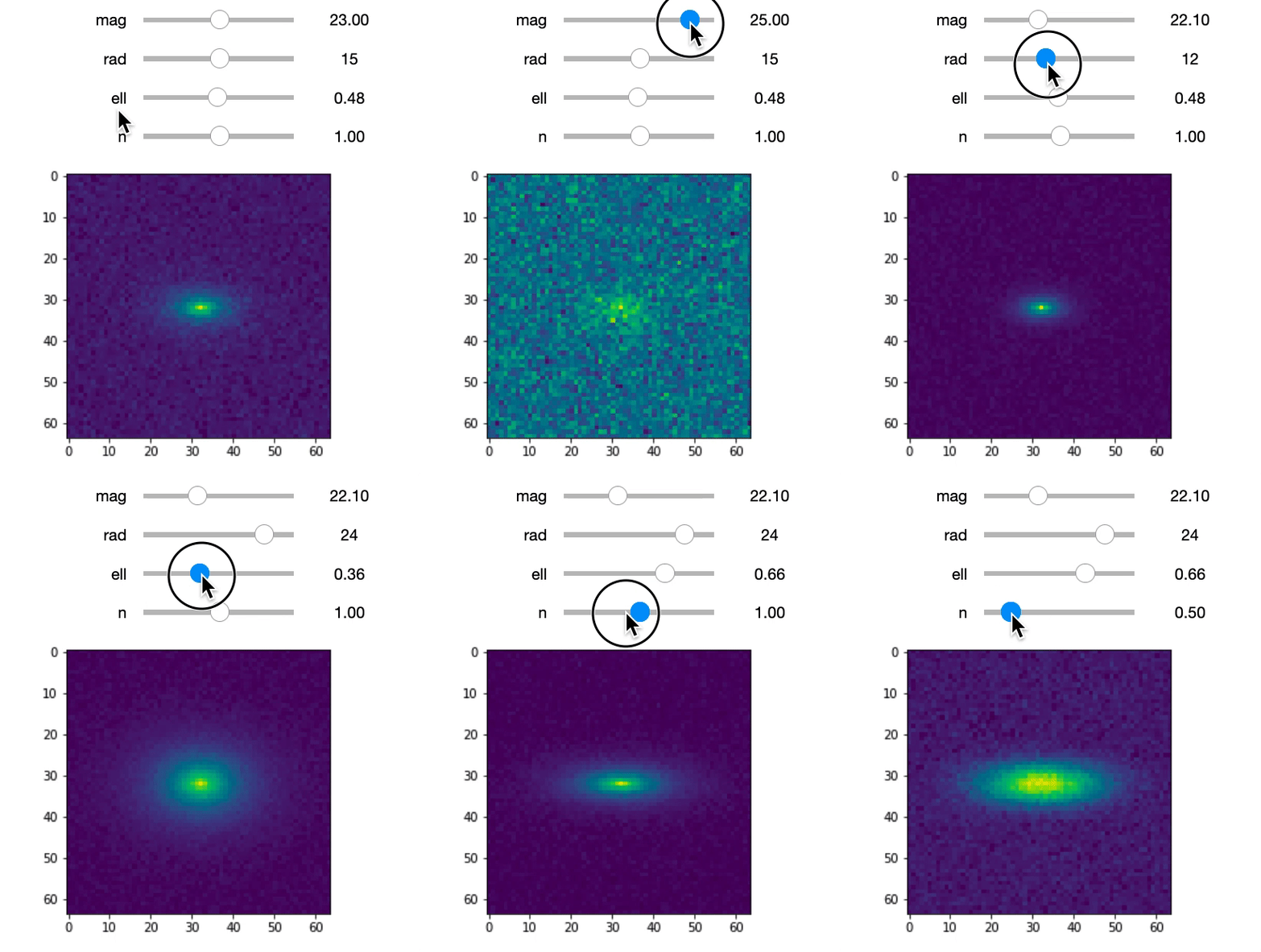
In this other tutorial, I present a basic usage of the jupyter ipy-widgets. With those scrollable buttons, one can simulate a galaxy with different parameters, live !
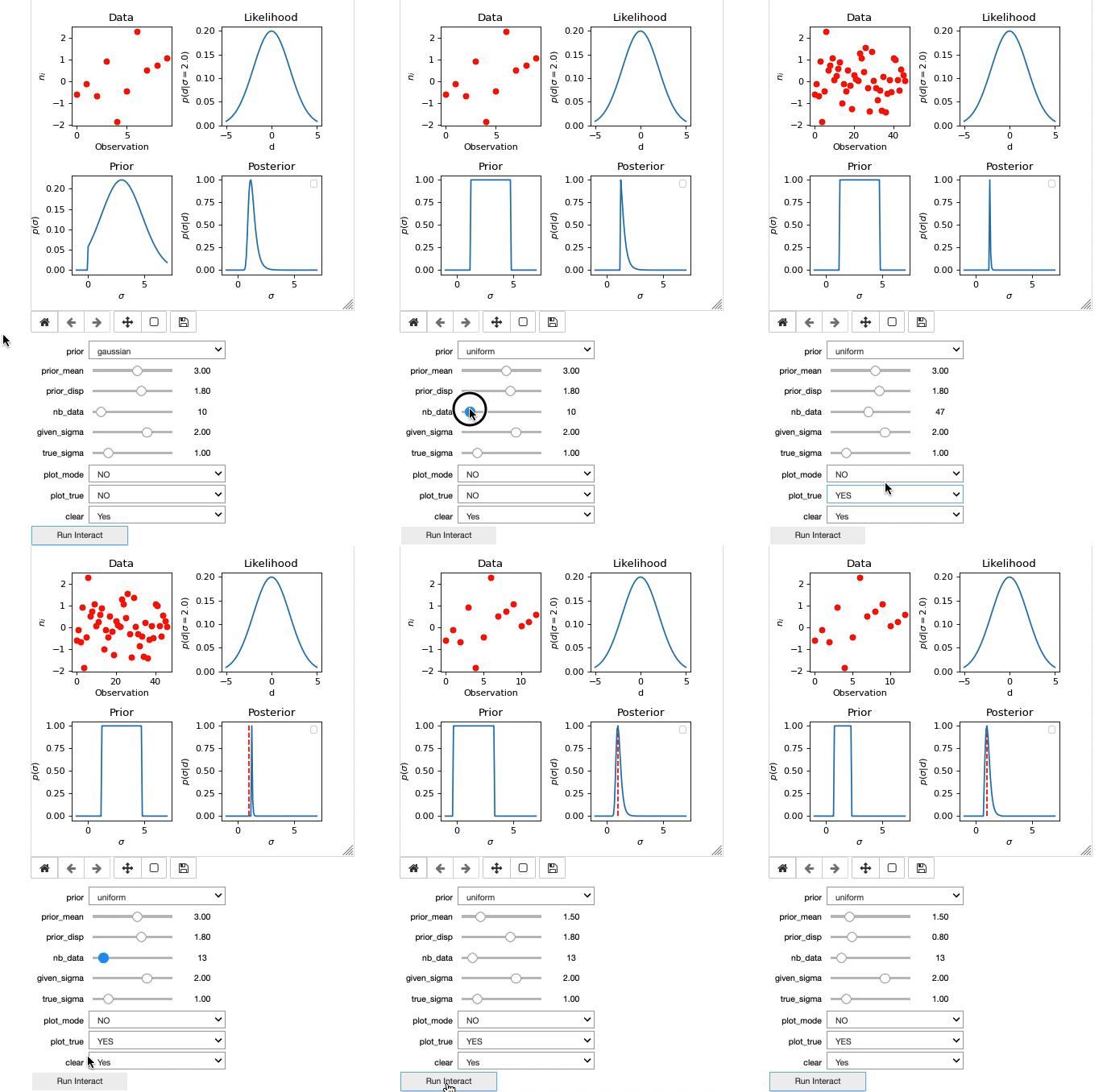
Finally, I used those widgets for an introduciton to Bayesian statistiques. After an introduction to the maths and interpretation, you can play with the priors, the data, and the likelihhod and see the impact on the posterior distribution. A cool way to use the powerfull matplotlib tool !
The game is based on a perspective trick: cubes that appear random at first will reveal a hidden harmony when looked from the goog point of view !
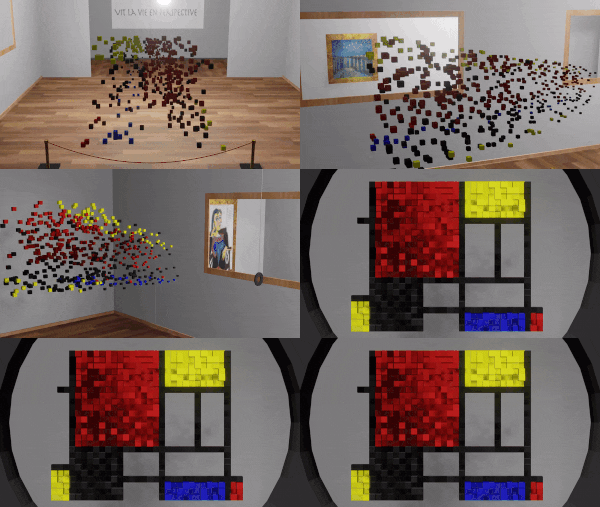
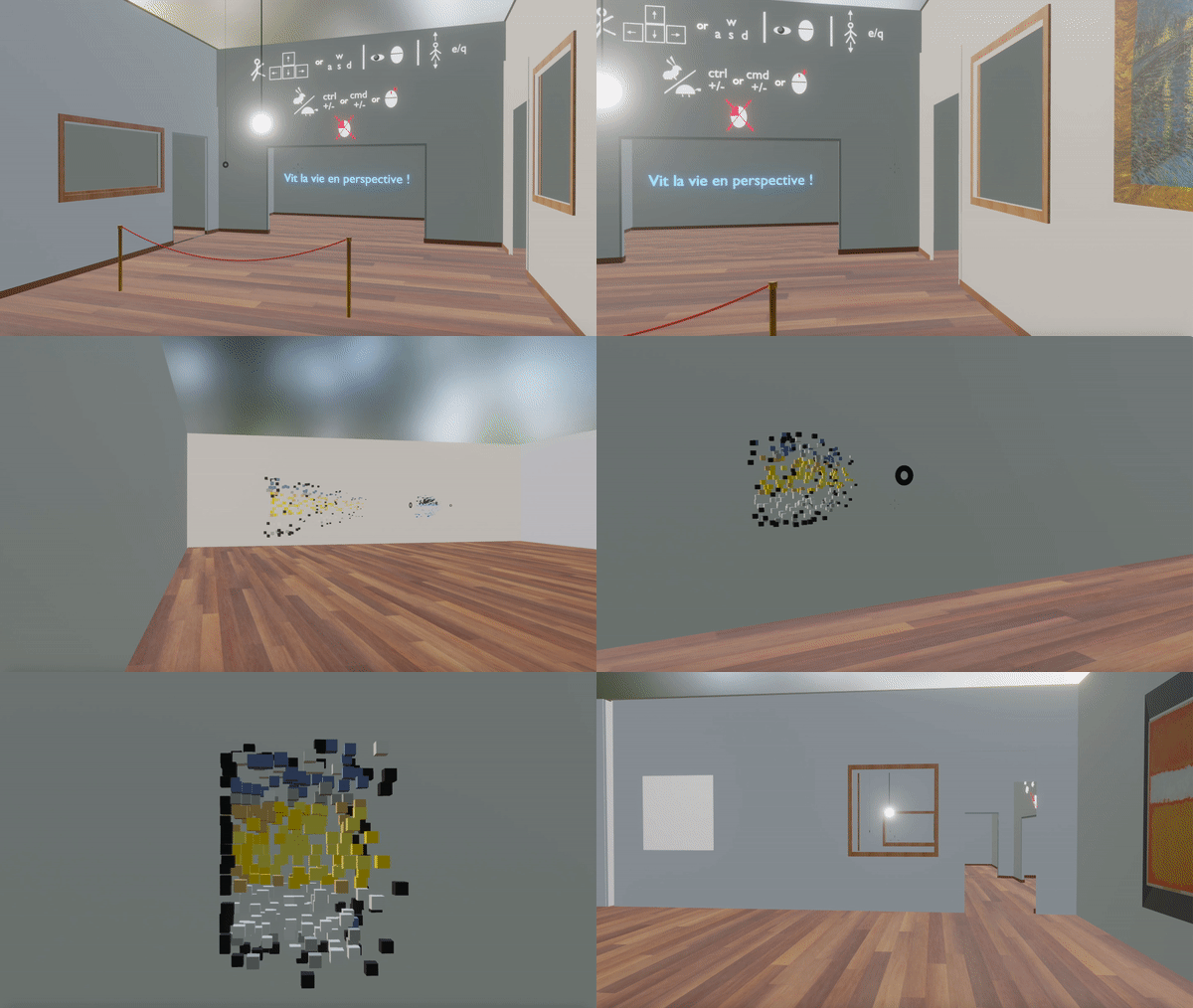
First, you can simply walk around on the museum and discover the art pieces.
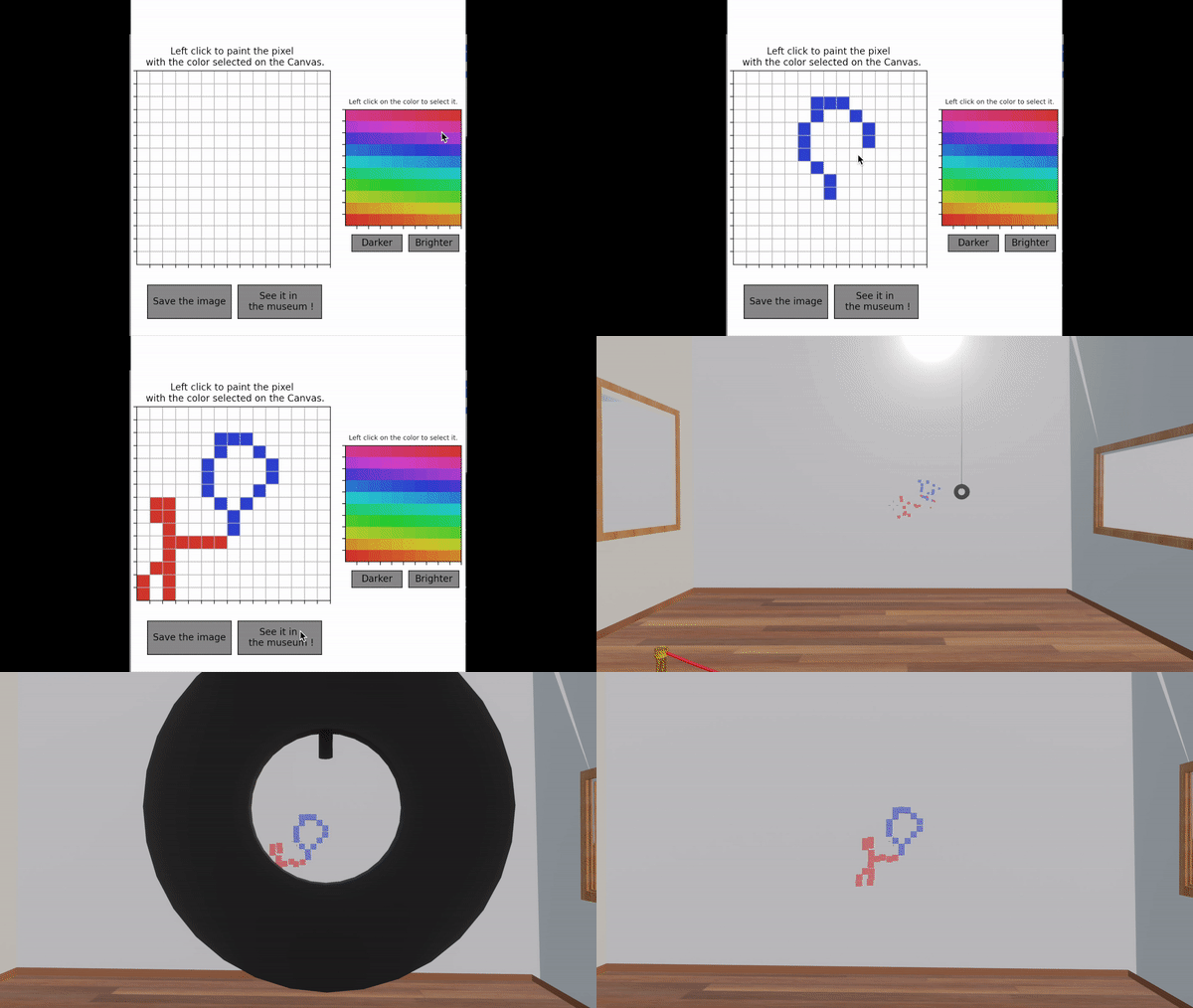
You can also create your own pixel art master piece, and discover it in the museum !
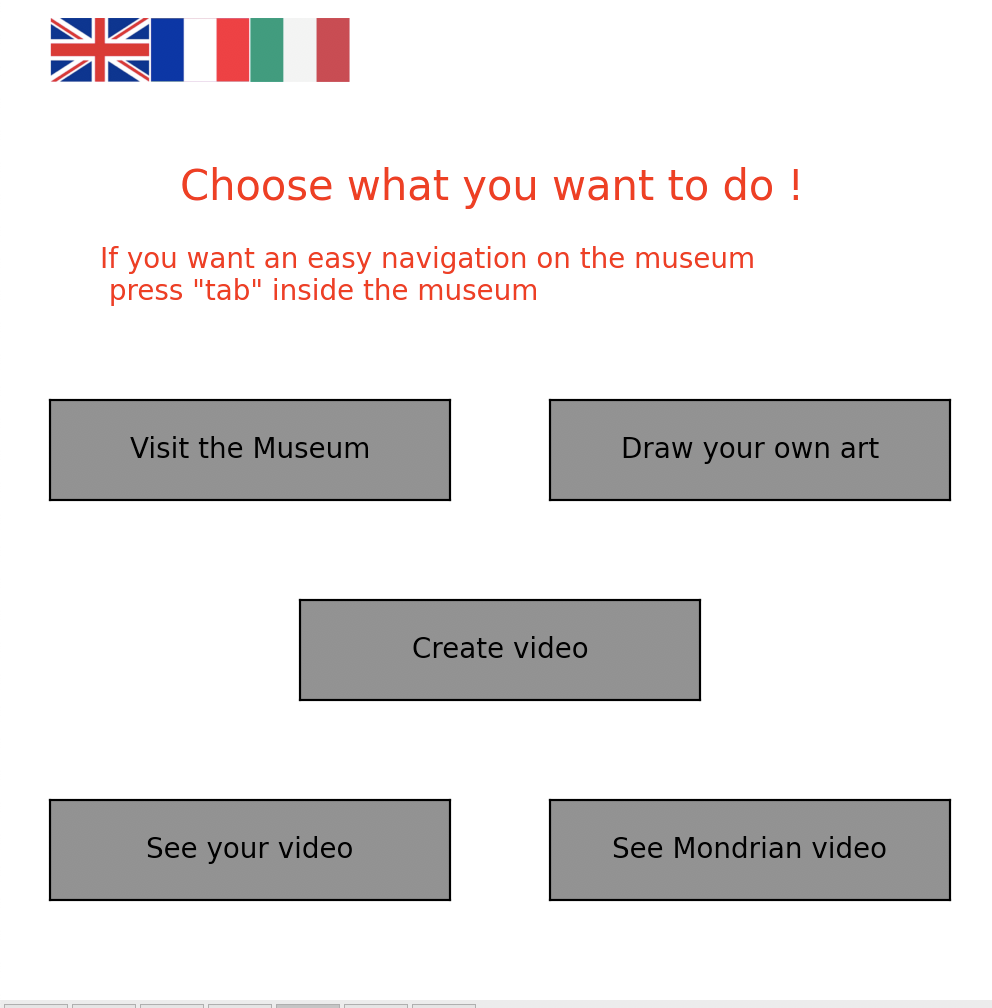
See more inside the game menu !
Here is an animation of the Gaia data I made with Blender. You can travel on the Milky way, with a great vue on the bulge of the galaxy, the disk, the dust and the ~1.7billions stars mapped by the European space telescope ! You can also have a great view on the two Magellanic clouds on the south (two small galaxies satellites of our own galaxy).
Stay tuned for new animations woth the Planck CMB data !
created with
Website Builder Software .